

Machine Screws
Do you need a screw with the right imperial thread for a cover, a bracket or a component in your project? Here we have gathered machine screws in sizes such as 8-32, 10-24, 1/4-20, 5/16-18 and 3/8-16, both as single pieces and in packs of 4 or 10.
How to read the sizes
A designation such as 1/4-20 x 3/4in means a diameter of 1/4 inch, 20 threads per inch and a length of 3/4 inch. For the smallest sizes, e.g. 8-32 and 10-24, the first number is a gauge number for the diameter and not a fraction. An imperial screw cannot be replaced with a metric screw, even though they look alike – the threads do not match, and both the screw and the hole can be damaged.
How to choose the right screw
- Thread: Both diameter and pitch must match the hole. Measure the old screw or check the manufacturer's instructions.
- Length: The screw must provide sufficient thread engagement without bottoming out in a blind hole. Length is typically measured under the head.
- Head type: SHCS means a socket head cap screw with a cylindrical head and internal hex, which can be practical where there is little room for tools.
- Quantity: Some part numbers come in packs, which can suit you if you are replacing several screws on the same component.
All screws in this category are from S&S Cycle, e.g. 3/8-16 x 1-1/4in SHCS and 10-24 x 2-3/8in in steel. Tighten to the torque specified for the specific joint, and clean the thread before fitting. Whether thread locker should be used depends on the application. You will find more parts under other products from S&S Cycle and in the parent category screws, nails and staples.
Frequently asked questions
Can I use a metric screw instead of an imperial screw?
No. Even when the diameter is close, the pitch is different. The wrong screw can strip the thread or sit loose, so use the same thread size as the original screw.
What does SHCS mean in the product name?
SHCS stands for socket head cap screw, i.e. a screw with a cylindrical head and internal hex. It is tightened with an Allen key or bit, which can be an advantage in tight mounting locations.
How do I find the size of a screw I need to replace?
Measure the diameter with a caliper and determine the threads per inch with a thread gauge. Then measure the length under the head. Compare with designations such as 5/16-18 x 1in before you choose.

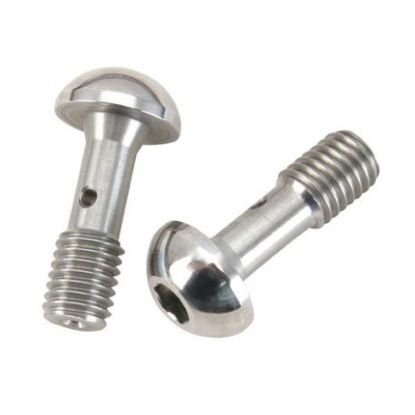
S&S Cycle 1/4-20 x 1/4in Screw - 2 Pack
ssc50-0069P
S&S Cycle 1/4-20 x 1/4in Screw - 2 Pack
13,55 € excl. VAT
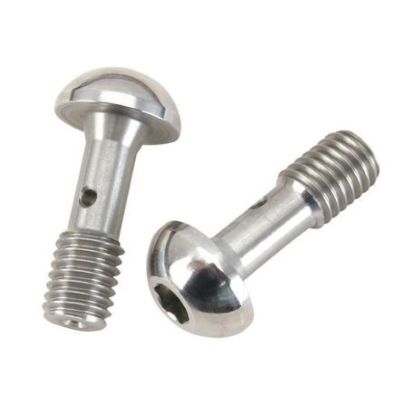

S&S Cycle 1/4-20 x 1-1/2in SHCS Screw
ssc50-0255-S
S&S Cycle 1/4-20 x 1-1/2in SHCS Screw
16,76 € excl. VAT
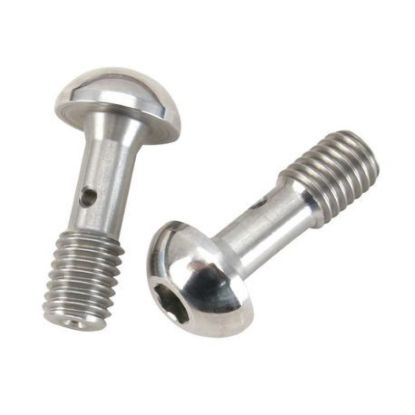
S&S Cycle 1/4-20 x 1-1/4in SHCS Screw - Chrome
ssc50-0257-S
S&S Cycle 1/4-20 x 1-1/4in SHCS Screw - Chrome
15,65 € excl. VAT